


How Heavy Rain in Greer Can Affect Your Sump Pump Discharge Line
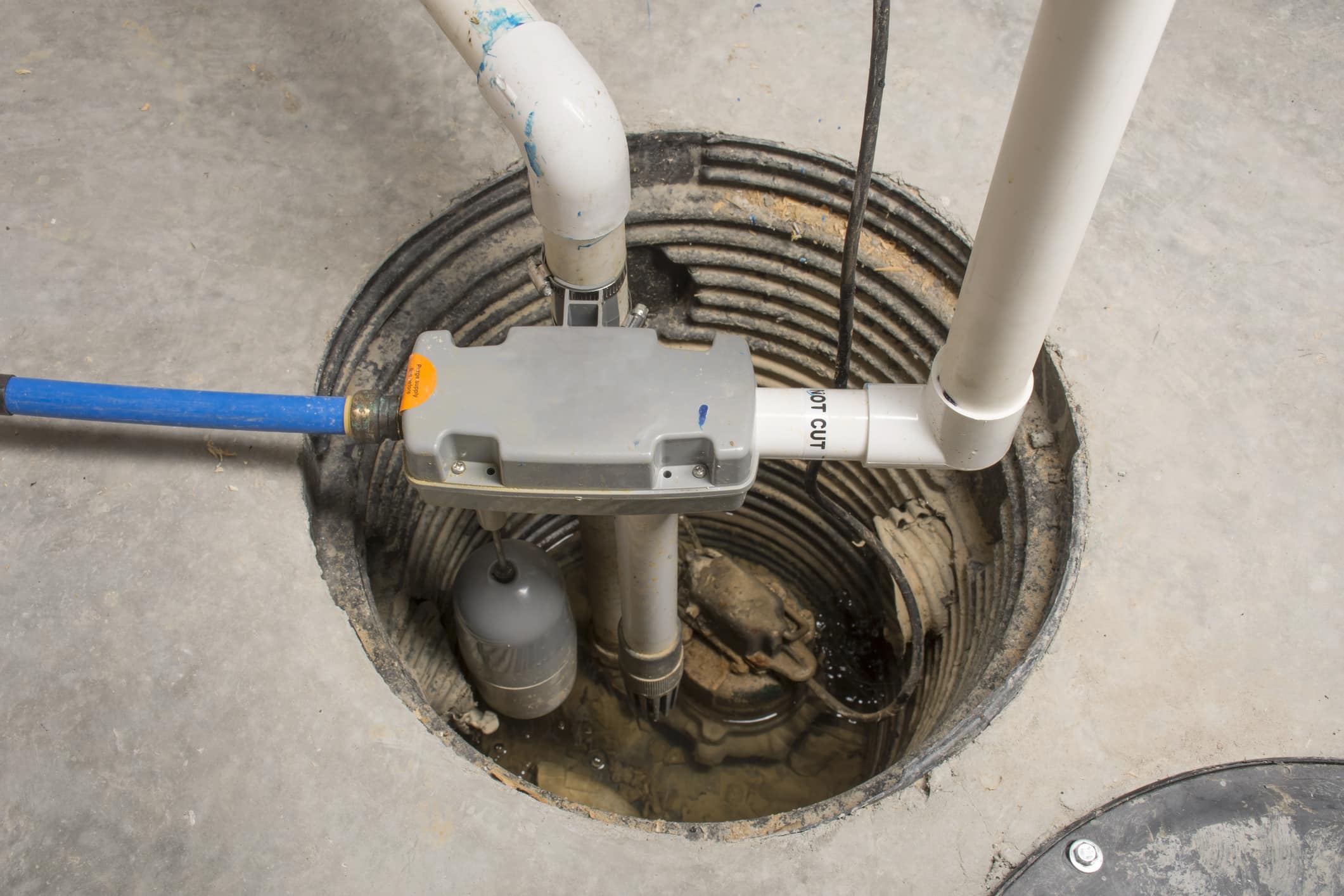
Most homeowners think about their Greer sump pump when it runs. Fewer think about what happens after the water leaves. That discharge line, the pipe that carries water away from your home after the pump activates, is doing important work during every heavy rainstorm. And in Greer, heavy rain is a regular feature of summer.
KT Plumbing handles a fair number of sump pump calls after major storms, and discharge line issues come up more than most people expect. Here’s what you should know.
What the Discharge Line Actually Does
When your sump pump activates, it pulls water out of the pit beneath your basement or crawl space and pushes it through the discharge line to a point outside your home. That endpoint is usually several feet away from the foundation, aimed toward a drainage area, a dry well, or the yard.
The line itself is typically a PVC pipe, ranging from 1.5 to 2 inches in diameter, running through or along your basement wall and then outside. It’s a pretty simple system, but it has some real vulnerabilities during storms.
What Heavy Rain Does to That Line
A few things can go wrong when rain is coming down hard:
- The discharge point gets overwhelmed. When the ground is already saturated, the water your pump is pushing out has nowhere to go quickly. It can pool near the foundation, which in the worst case works its way back toward the problem you were trying to solve.
- Debris clogs the outlet. Rain carries leaves, dirt, and small debris. That material can collect at the end of your discharge line and partially or fully block it. Your pump keeps running, but the water backs up inside the line and may flow back into the pit.
- The check valve fails under pressure. Most systems include a check valve to prevent water from draining back into the sump pit after the pump shuts off. Heavy, sustained rain puts repeated pressure on that valve. If it’s worn or improperly sized, it can fail, causing the pump to cycle constantly and wear out faster.
- Freezing isn’t just a winter issue. While this is less relevant in summer, discharge lines that aren’t properly sloped can hold standing water. That water can become a breeding ground for debris buildup and odors, and any vegetation growing near the outlet can slowly encroach on it over time.
Signs Your Discharge Line Has a Problem
You don’t always know there’s an issue until after a storm has already caused damage. But some early warning signs include:
- Water pooling near the foundation shortly after your pump runs
- Your pump running continuously or cycling on and off rapidly
- Unusual gurgling sounds from the discharge line
- Visible pooling or soggy ground along the line’s path outside
If you notice any of these during or after a storm, it’s worth having a plumber take a look before the next one hits.
How to Keep the Line Clear
There are some simple things you can do to reduce problems:
- Check the outdoor discharge point seasonally. Make sure it’s not blocked by grass, mulch, or soil buildup.
- Keep the area around the outlet clear of debris, especially before storm season.
- Confirm the outlet directs water at least six to ten feet from your foundation and slopes away from the house.
- If your line runs along an exterior wall, make sure it’s secured and hasn’t shifted over time.
For anything involving the line itself, including a clog deeper in the pipe, a faulty check valve, or a discharge point that’s been compromised, you’ll want a professional to handle it. These are Greer plumbing repairs worth getting right, because a malfunctioning discharge setup can cause your pump to work overtime and fail earlier than it should.
Your Drains and the Bigger Picture
It’s also worth knowing that sump pump discharge issues don’t always stay isolated. If water is backing up around your foundation, it can eventually affect your Greer drains and sewer lines too, particularly in older homes where drainage systems are closely connected.
Greer gets enough rain that these systems need to work together. When one part of the picture isn’t functioning correctly, other parts tend to follow.
Have Questions About Your System?
If your discharge line has been giving you trouble or you just want to know it’s set up correctly before the next round of summer storms, reach out to KT Plumbing. We’ll take a look at the whole system and tell you exactly what’s going on.
Need Help?
Book an appointment online today to get a skilled plumber to fix your problem!
Book Online Book Online
2-Year Workmanship Warranty

Honest, Upfront Pricing

Personalized Care
2-Year Workmanship Warranty
Most plumbers only guarantee their labor for 1 year. We stand behind ours for 2 full years—because if we install or repair it, we want you to feel confident it’s done right. If something we did isn’t perfect, we’ll make it right at no cost to you.Honest, Upfront Pricing
No guesswork. No runaround. Before we do any work, we walk you through what’s going on, explain your options, and clearly outline the pricing. You’ll always know what to expect before anything begins.Personalized Care
Plumbing isn’t one-size-fits-all. We take time to understand what's really happening in your home and explain the why behind our recommendations. You get solutions built for your system—not a generic fix.
Proudly Serving the Greer, SC Area
- Greer
- Greenville County
- Spartanburg
- Greenville
- Taylors
- Simpsonville
- Duncan
- Asheville
- Columbus