


Do You Need a Battery Backup Sump Pump for Summer Power Outages?
If you have a sump pump in your Greer home, here’s something worth knowing before the next summer storm rolls through: your pump runs on electricity, and the storms most likely to flood your basement are also the ones most likely to knock out your power. KT Plumbing gets calls about this regularly, and it’s one of those situations where a small investment ahead of time saves homeowners from a big, expensive mess after the fact.
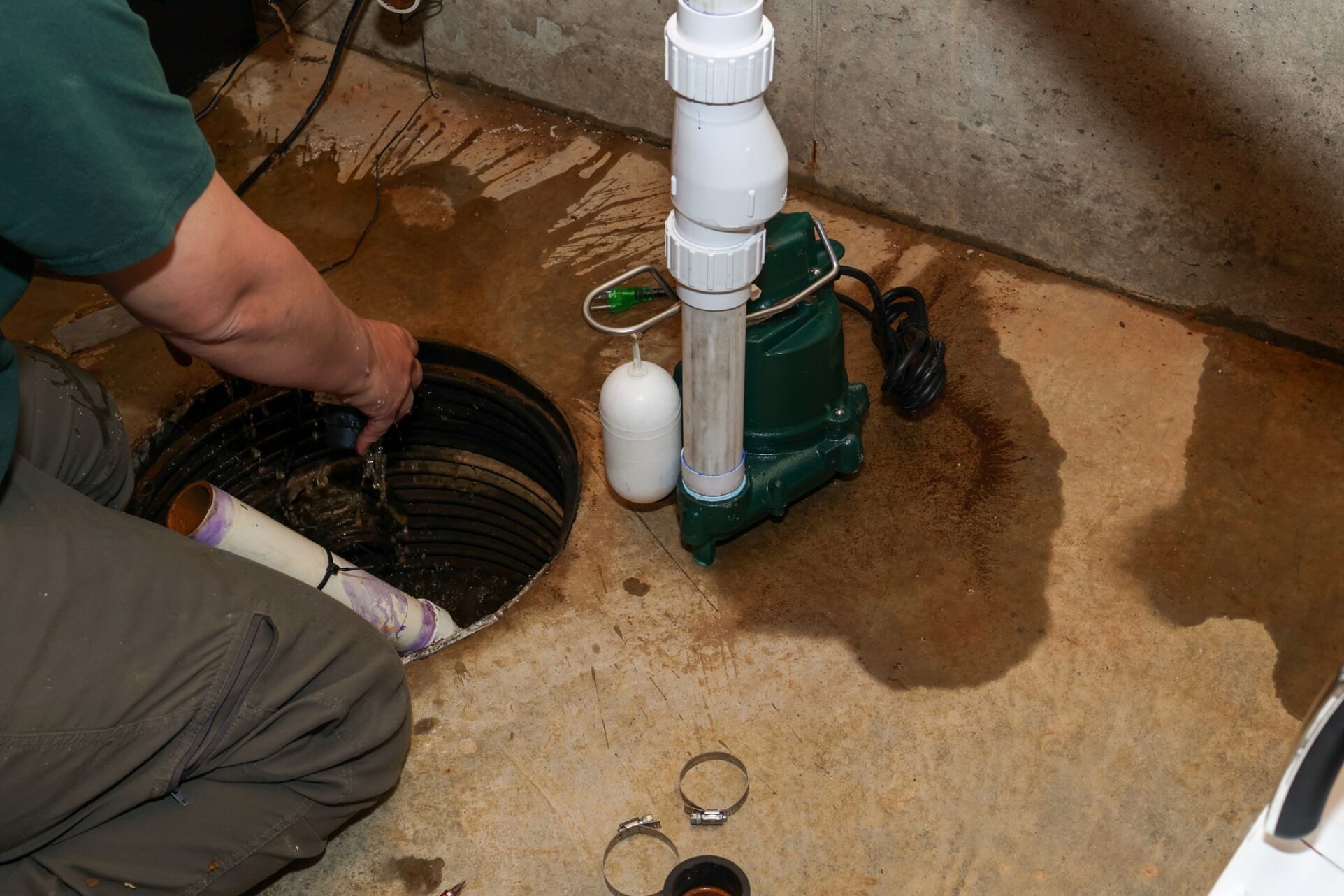
So let’s talk through whether a Greer battery backup sump pump actually makes sense for your home.
Why Summer Power Outages Are a Real Problem Here
Greer gets around 51 inches of rain per year, which is well above the national average of 38 inches. Summers here come with frequent thunderstorms, and those storms don’t just bring heavy rain. They bring lightning, high winds, and the kind of power interruptions that can last anywhere from a few minutes to several hours.
The timing is genuinely bad. Your primary sump pump is sitting idle with no power at exactly the moment it’s needed most. And it doesn’t take long for a wet basement to turn into a water damage situation that affects flooring, walls, stored belongings, and even your home’s foundation.
What a Battery Backup Sump Pump Does
A battery backup sump pump is a secondary unit that kicks in automatically when your main pump loses power. It runs off a deep-cycle battery, and in most systems, it activates the moment the primary pump fails, regardless of why it fails. That includes power outages, tripped breakers, a burned-out motor, or even a float switch that stops working correctly.
Some homeowners assume their generator covers this, but generators require manual setup, fuel, and someone to actually start them. A battery backup system switches over automatically, which matters when flooding starts fast and you’re asleep or away from home.
Do You Actually Need One?
Not every home does. Here’s how to think about it:
- You probably need one if: Your basement has flooded before, you live in a lower-lying area of Greer, your sump pit fills up quickly during heavy rain, or your home has experienced water intrusion near the foundation.
- It’s a strong idea if: You’ve got finished space in your basement, valuable equipment or HVAC systems down there, or you travel frequently during storm season.
- You can likely skip it if: Your basement stays dry even in heavy rain, your sump pump rarely activates, and power outages in your area are short and infrequent.
The reality is that for a lot of Greer homeowners, the cost of a battery backup unit (typically a few hundred dollars for the unit, plus installation) is a fraction of what water damage restoration runs. It’s not a luxury item for flood-prone homes. It’s just good planning.
How Long Does the Battery Last?
That depends on the system and how hard it’s working. A standard backup battery in moderate conditions can typically run for several hours to most of a day. Higher-capacity units last longer. If you’re away for an extended period, some systems include an alert that notifies you when the battery activates or when its charge drops below a useful level.
You’ll also want to replace the battery on a regular schedule, usually every three to five years, since batteries that sit in standby for long periods can lose their capacity without obvious warning signs.
What to Pair with a Backup System
A battery backup sump pump works best when the rest of your Greer sump pump system is in good shape. A clean pit, a functioning check valve, a clear discharge line, and a primary pump that’s sized correctly for your home all matter. A backup system can’t compensate for a primary pump that’s already struggling.
If you’re not sure about the current state of your system, that’s worth a look before storm season gets into full swing.
Ready to Talk Through Your Options?
A battery backup sump pump isn’t the right fit for every home, but for homes in Greer with real flood risk, it’s one of the more straightforward ways to protect yourself. Contact KT Plumbing and we can take a look at your current setup, walk you through your options, and give you a straight answer on whether a backup system makes sense for your situation.
Need Help?
Book an appointment online today to get a skilled plumber to fix your problem!
Book Online Book Online
2-Year Workmanship Warranty

Honest, Upfront Pricing

Personalized Care
2-Year Workmanship Warranty
Most plumbers only guarantee their labor for 1 year. We stand behind ours for 2 full years—because if we install or repair it, we want you to feel confident it’s done right. If something we did isn’t perfect, we’ll make it right at no cost to you.Honest, Upfront Pricing
No guesswork. No runaround. Before we do any work, we walk you through what’s going on, explain your options, and clearly outline the pricing. You’ll always know what to expect before anything begins.Personalized Care
Plumbing isn’t one-size-fits-all. We take time to understand what's really happening in your home and explain the why behind our recommendations. You get solutions built for your system—not a generic fix.
Proudly Serving the Greer, SC Area
- Greer
- Greenville County
- Spartanburg
- Greenville
- Taylors
- Simpsonville
- Duncan
- Asheville
- Columbus